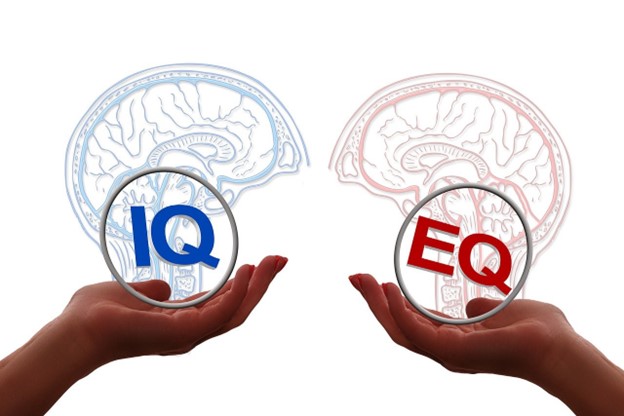
While IQ may get you hired, Emotional Intelligence (EI) is what helps you succeed and thrive not only in the workplace but in life overall.
It has become a crucial trait that can often make the difference between success and failure. EI is the ability to recognize, understand, and effectively manage our own emotions as well as those of others. It encompasses skills such as empathy, self-awareness, self-regulation, social skills, and motivation.
The Importance of EI
Research shows that EI is a better predictor of success than IQ. According to a study by TalentSmart, 90% of top performers have high emotional intelligence, while just 20% of bottom performers do. This highlights the significant impact EI can have on one’s career trajectory. Individuals with high emotional intelligence tend to be better leaders, communicators, and collaborators. They build stronger relationships, resolve conflicts effectively, and adapt well to change. Moreover, they are more resilient in the face of adversity, leading to improved mental health and overall well-being.
Can you think of a manager or colleague who remained calm and composed despite facing a tight deadline and conflicting priorities? Did their ability to empathize with the team, address concerns and communicate clearly lead to success and strengthen morale?
Now, can you think of a manager or colleague who often reacts impulsively to feedback and criticism, causing tension and friction within the team? Does their inability to regulate emotions and communicate effectively often result in missed opportunities for collaboration and growth?
Building Up Your EI
Fortunately, emotional intelligence is a skill that can be developed and strengthened over time. Here are five strategies to try:
- Practice Self-Awareness: Take the time to reflect on your emotions, triggers, and reactions. Journaling or mindfulness exercises can help increase self-awareness.
- Improve Self-Regulation: Learn to manage your emotions effectively by practicing techniques such as deep breathing, meditation, or mental reframing.
- Develop Empathy: Put yourself in others’ shoes and try to understand their perspectives and feelings. Active listening and asking open-ended questions can enhance empathy.
- Enhance Social Skills: Work on your communication, collaboration, and conflict resolution skills. Build rapport with others by showing genuine interest and respect.
- Stay Motivated: Set meaningful goals for yourself and maintain a positive outlook, even in challenging situations. Find ways to stay inspired and focused on your objectives.
Mastering emotional intelligence is essential for personal and professional success. By developing skills such as self-awareness, self-regulation, empathy, social skills, and motivation, you can enhance your relationships, navigate challenges effectively, and lead a more fulfilling life.
Stay tuned for our next blog where we explore how EI plays a role in learning and development. Contact us to learn more about developing Emotional Intelligence in your organization.
