Consider this: replacing an entry-level employee can cost between 30-50% of their annual salary. For mid-level employees, that figure climbs to 150%. For high-level talent, replacement costs can soar to 400% of annual salary. These numbers underscore the value of investing in your people, and offering continuous learning and feedback in manufacturing.
Why Feedback Matters
That investment begins with fostering open, meaningful feedback. Timely, constructive feedback helps manufacturing professionals identify and correct mistakes, reinforce best practices, and accelerate skill development. Furthermore, in a sector where safety and quality are of utmost importance, feedback can prevent costly errors and enhance product outcomes.
Building a Feedback Culture
When feedback is woven into the fabric of a manufacturing company, it drives not only operational excellence but also employee engagement and retention.
- Train Leaders: Supervisors and team leads need training on giving clear, actionable, and empathetic feedback to build trust and respect.
- Offer dedicated workshops focused on communication skills, active listening, and delivering constructive feedback.
- Encourage mentorship programs where experienced leaders can model effective feedback strategies for newer supervisors.
- Include regular coaching sessions with upper management or external facilitators to reinforce best practices and address challenges.
- Normalize Two-Way Dialogue: Encourage employees to offer upward feedback, highlighting issues or process improvements that management might miss.
- Use Structured Tools: Incorporate feedback mechanisms like performance reviews, peer observations, and anonymous digital suggestion boxes to make feedback routine and expected.
- Integrate Feedback Training: Implement feedback into onboarding and ongoing development programs, promoting it as a tool for learning and growth rather than as a punitive measure.
Feedback in Manufacturing
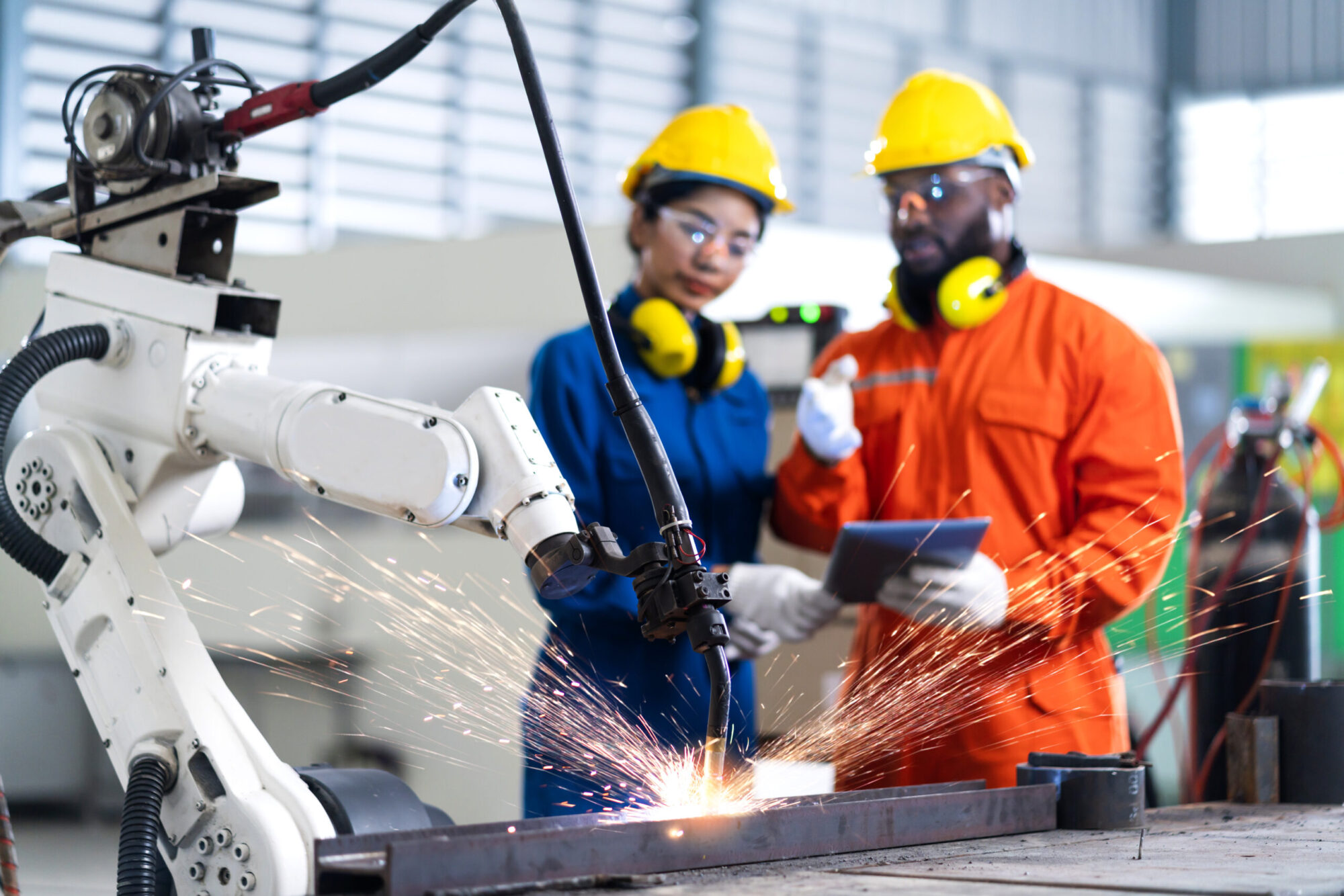
Consider a manufacturing plant struggling with equipment downtime. By implementing regular feedback sessions between maintenance staff and machine operators, bottlenecks can be identified and resolved more quickly. As a result, both teams develop a better understanding of each other’s challenges which leads to smoother operations and increased productivity.
If you’re ready to elevate your team’s learning and development journey, connect with Glass of Learning today. Discover how our tailored programs and expertise can help your business build a culture of feedback, active listening, and continuous learning.
