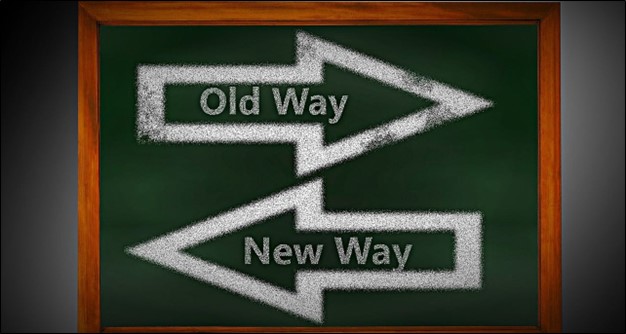
Chances are on December 31st, each of us rang in the New Year and set resolutions, new goals and new aspirations to achieve in 2024. Only now, January is over and the journey to achieve our goals may seem impossible. The fact is, by February, 80% of New Year’s resolutions will have failed.
Behavior change is difficult. Research tells us that 25% of heart and stroke patients do not make changes to smoking cessation, healthy eating or physical exercise, even if their choice means life or death. Why is this? Why is behavior change so challenging?
Let’s consider emotions and how they drive habits. If you don’t feel good about something, for example, waking up in the morning to exercise, you won’t repeat the action and therefore there won’t be changes to your behavior. Though we probably don’t like to admit it, we prefer eating the chips to eating the grapes and the ten pounds we thought we could lose stay on and roll over (pun intended) to the next month, year, and so on. Change only happens through deliberate actions, which is how we build habits. Habits then form systems, and systems help us achieve our goals. When we have systems in place, change is no longer about willpower.
Many of the habits that we have, keep us safe and on track. For example, when we arrive home, we probably lock the car and lock the door of our home automatically – we may even question ourselves if we did that because the action is an automatic habit. Habits can also keep us stuck. We all have habits we wish we could change. Research tells us that we operate in habit mode 45% of the time – as if we are zombies. In The Coaching Habit, Michael Bungy Stainer wrote about how we need to consciously manage our unconscious patterns – those automatic habits that are keeping us stuck. Too often, our desire for new habits is just wishful thinking.
Sequence of Current Habits
Based on the work of Michael Bungay Stanier, BJ Fogg, and Charles Duhigg, who have written extensively on changing habits and how we need to implement a few specific actions. Let’s look at the sequence of what currently happens with your habits:

An example of this happens each morning. You wake up with morning breath (trigger) and one of your first actions is to brush your teeth (current habit), your mouth now feels fresh and clean (stimuli/reward). You would likely never change this habit as the stimuli/reward makes you feel good. Another example would be a weekday evening: you sit on the couch (trigger/cue), you have some popcorn and wine (current habit), and you relax and vegetate (stimuli/reward). This may have become a common habit during the pandemic. At that time, COVID-19 became synonymous with a 19-pound weight gain many people experienced based on new habits developed during lockdown.
Forming New Habits
So how do we form new habits? First, consider the trigger or the cue that sets off the habit. When looking to change that habit, consider something you can do in 60 seconds. Once you commit to a small change, it becomes easier to expand this action. Here is the formula to follow:

Example:
“When weekday evening arrives, instead of having popcorn and wine, I will reach for grapes to satisfy my cravings.”
Consider the stimuli/reward you will feel for implementing the new habit since our emotions drive our habits and can continue to reinforce healthier patterns.
Your turn – consider one of your New Year’s resolutions – what small change can you implement in 60 seconds? Follow the above formula to try it out.
Our next blog will focus on setting reminders to help you change your habits.
Contact us to learn more about changing behavior.
