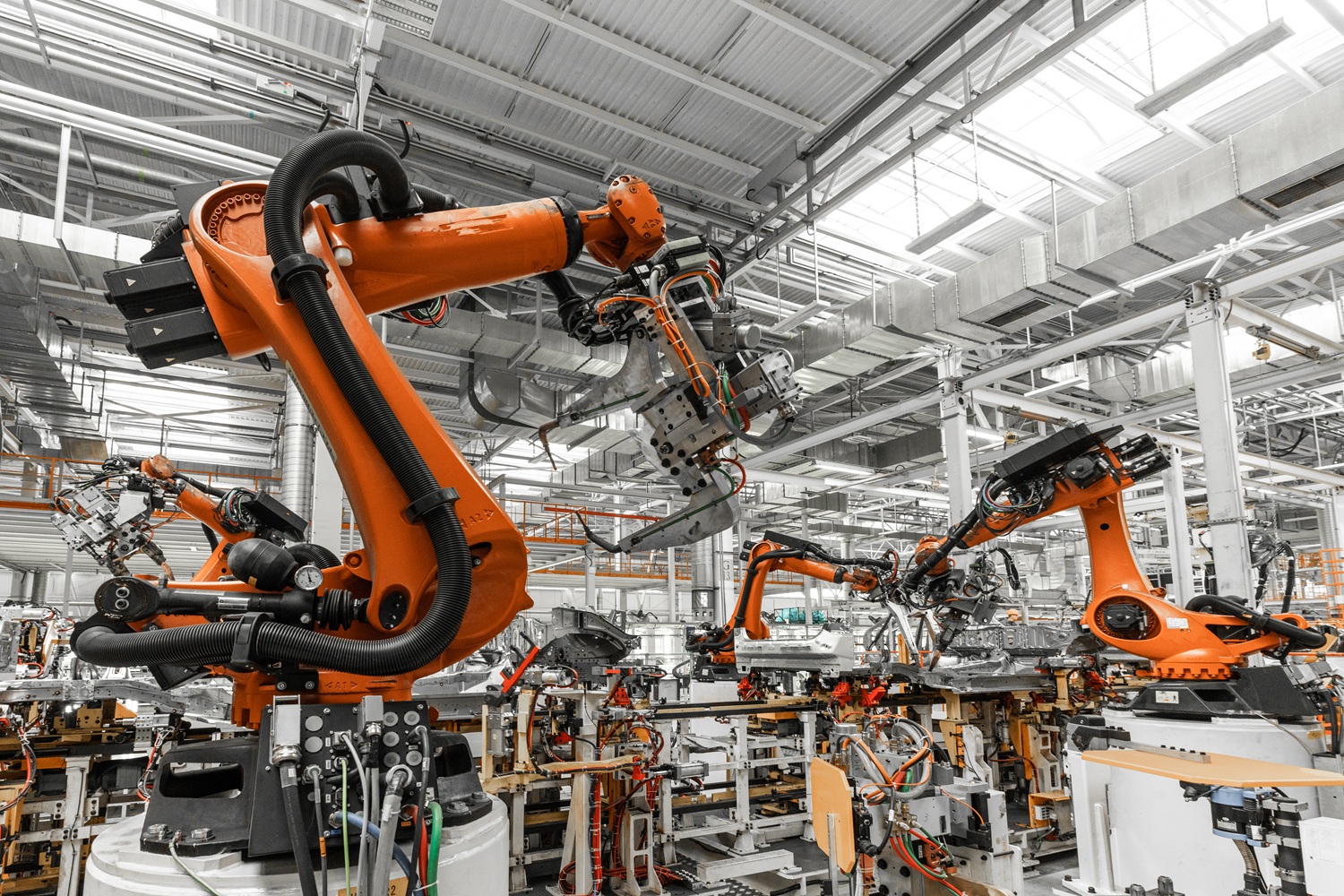
Robotics, AI, and automation are not necessarily replacing people but are redefining their roles. While machines can optimize efficiency and precision, it’s people who bring creativity, adaptability, and emotional intelligence. The human element, in the future of manufacturing, remains critical.
A Shift in Roles and Responsibilities
The International Centre for Industrial Transformation says that 77% of global manufacturers have already implemented AI in their operations. With automation managing more of the repetitive, manual work, employees are moving into roles focused on oversight, exception handling, and strategic thinking. For manufacturers, this means rethinking job design and investing in upskilling and reskilling.
With automation and AI taking over routine tasks, companies are now placing higher value on qualities machines can’t replicate, such as:
- Empathy: Understanding people, customers, and teams at a human level.
- Critical Thinking: Making sense of complex data and applying judgment.
- Adaptability: Thriving amid change and uncertainty.
- Interpersonal Communication: Building trust and collaboration.
In many ways, the future of manufacturing depends as much on emotional intelligence as it does on technical skills.
Preparing for Workforce Transformation
Organizations must:
- Develop learning ecosystems that support continuous skill development.
- Create career pathways that blend technical training with leadership growth.
- Redesign roles to integrate human and machine capabilities effectively.
- Foster cultures where curiosity and learning are encouraged at every level.
Collaborate With Us
We help manufacturers prepare for this shift through custom learning programs designed for the new world of work. Our solutions integrate leadership development, digital readiness, and human-centered learning.
While machines may power the future of manufacturing, it’s people who will lead it. Connect with our team today and let’s get your organization future ready.
