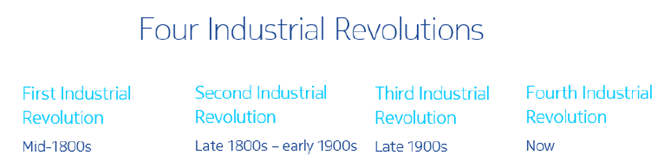
Industry 4.0 – the fourth industrial revolution – marks a monumental shift in how industries operate. Powered by connectivity, automation, and the Internet of Things (IoT), it brings smarter factories, enhanced productivity, and better decision-making through the use of real-time data. Plus, the integration of cutting-edge technologies such as AI, robotics, and big data is enabling businesses to stay competitive, reduce costs, and deliver personalized products and services on a scale never seen before.
The Promise of Industry 4.0 in Manufacturing
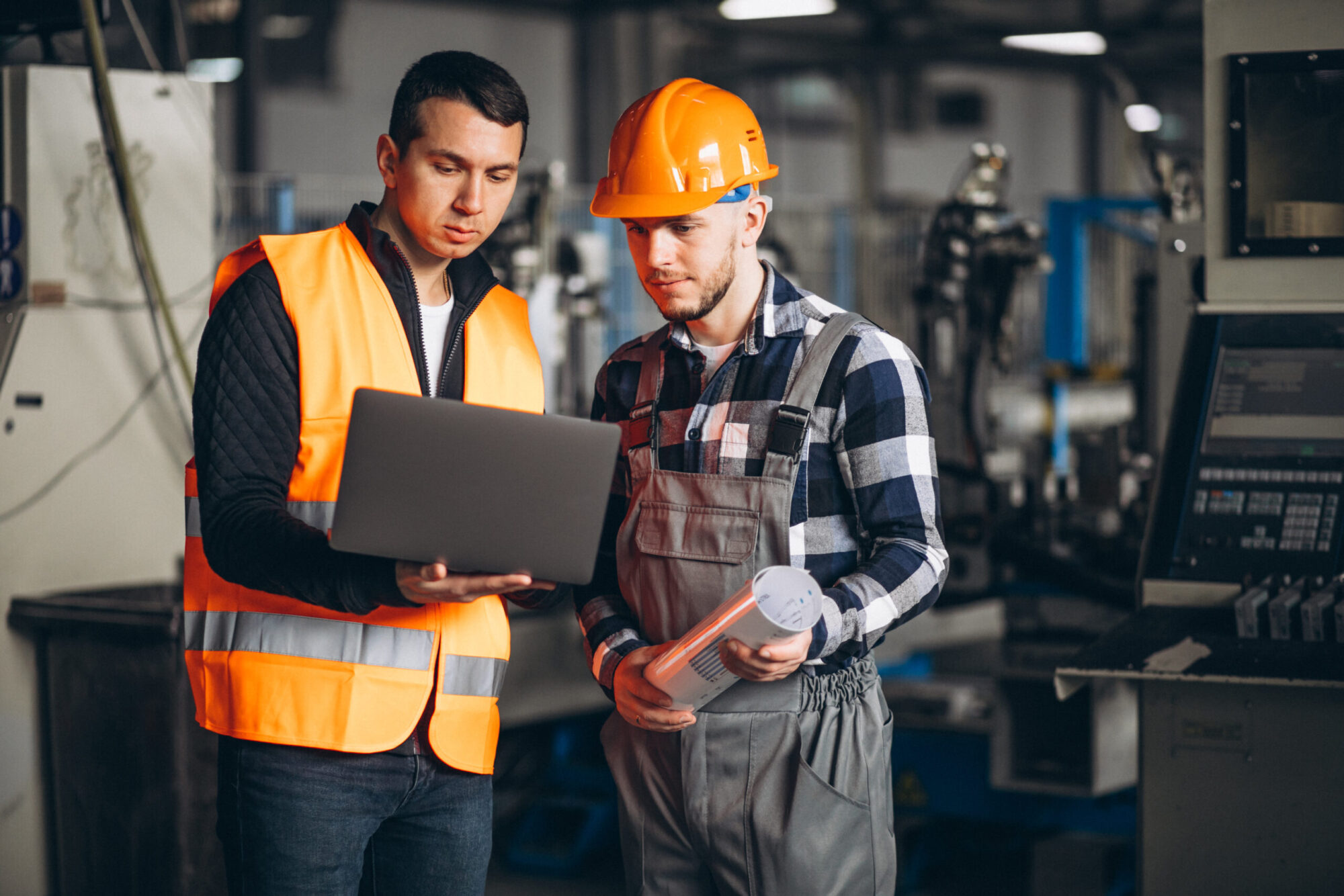
Industry 4.0 holds the potential to revolutionize manufacturing, allowing businesses to leverage connected systems to track performance, predict maintenance needs, and take autonomous action. All of which boost operational efficiency. With data and AI, production lines can now be customized to meet individual customer needs, enabling organizations to be more adaptive and responsive than ever.
However, as the manufacturing industry embraces these innovations, a new challenge arises: the skills gap. A recent study shows that 68% of decision-makers in manufacturing report skills gaps are limiting their organization’s growth. The rapid pace of tech advancement is outpacing the current workforce’s ability to adapt. In fact, nearly 70% of manufacturing companies acknowledge that they face a shortage of skilled workers capable of handling the complexities of new technology.
This skills gap is further exacerbated by factors like an aging workforce, with many experienced workers nearing retirement, and a lack of interest among younger generations to enter the manufacturing sector. It’s not just a problem of technology; it’s a problem of people.
What’s at Risk if Your Business Doesn’t Adapt?
As automation and AI take over more routine tasks, jobs will inevitably evolve. According to recent data, up to 60% of all jobs could see 30% of their core competencies replaced by automation. This shift is an opportunity and a risk. Especially for manufacturers who do not invest in developing the right skills.
Without a workforce equipped with problem-solving, critical thinking, and systems analysis skills, manufacturers risk falling behind as competitors embrace new technologies. A skills shortage can lead to productivity loss, an inability to meet customer demands, and stalled growth.
Upskilling and Reskilling
To bridge this gap, organizations must prioritize upskilling and reskilling initiatives for their existing workforce. Education programs are essential, but they must be customized to meet the evolving needs of the industry. Companies that invest in tailored learning and development programs will equip their teams with the skills needed to adapt and succeed.
Industry 5.0
While Industry 4.0 focuses on automation and AI, Industry 5.0 is emerging as a human-centric evolution of this technological revolution. Rather than focusing purely on automation, Industry 5.0 integrates human creativity and collaboration with advanced technology. This new phase prioritizes user-friendliness, accessibility, and sustainability, creating a seamless interface between workers and machines. We’ll explore this in more detail in our next blog and share how a strategic approach to learning and development will become even more crucial in addressing the needs of technology and the people behind it.
