
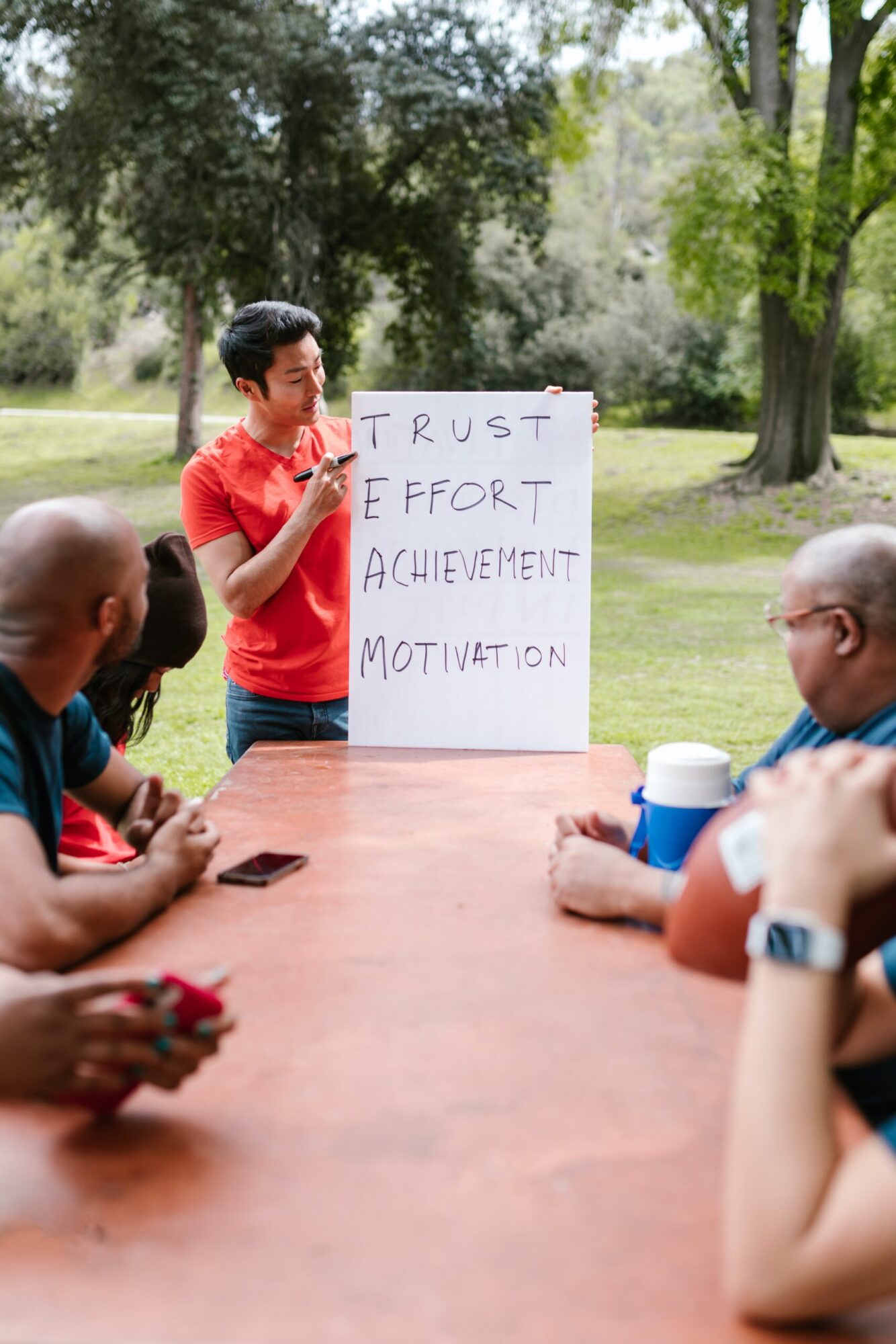
Participants undergoing leadership training improve their learning capacity by 25 per cent and their performance by 20 per cent, according to Apollo Technical, an IT and engineering recruitment agency. More than 90 per cent of employees say that a well-planned employee training program would positively impact their engagement, according to talent management platform ClearCompany.
When you think about the impact training has on employee learning capacity, performance and engagement, can you imagine the ways these benefits can affect a business?
If the results show a positive outcome coming from training programs, why is it that so many organizations fail to uphold them?
Entrepreneur magazine cites four reasons:
1. Results aren’t measured from the top down
2. Leadership competencies aren’t assessed properly
3. Businesses don’t integrate leadership development into operations
4. Leaders aren’t prepared for change and lack resiliency
Harvard Business Review adds in the following issues:
1. Conflicting priorities are created when leaders don’t clearly articulate the direction, strategy, and values of the company
2. Poor teamwork and lack of commitment to change by senior executives
3. Employees are uncomfortable in providing honest feedback to their managers, especially when it comes to identifying problems and addressing dysfunction
4. An organizational design that results in weak coordination across different departments and business units
5. Leaders who don’t take the time to nurture talent or address talent issues
Here’s what we think: teams reflect the culture created by their supervisors; supervisors embody the culture created by executives. If leadership is touting about the importance of efficiency, teamwork and learning, but not walking the talk, culture, employee engagement and ultimately the bottom line will be affected negatively. Companies not only need to be ready to go through a training program they also need to be ready to apply the learning to their business structures after the fact. In addition, employees need to be given opportunities to practise what they’ve learned in order to develop and strengthen their skills. In a recent blog, we share that practise is the key to capability. And that letting employees practice their new knowledge and skills ensures they will remember and apply the information they’ve learned.
When an organization’s intentions, training goals, and outcomes align, employees like Supervisor Kevin Lunney from Winnipeg, Manitoba, are better equipped to lead teams, and create positive change within their organization. And if Lunney isn’t convincing enough, perhaps this statistic from the Global Leadership Forecast will seal the deal: organizations that embrace a more inclusive approach to leadership training are 4.2 times more likely to outperform those that restrict development.
